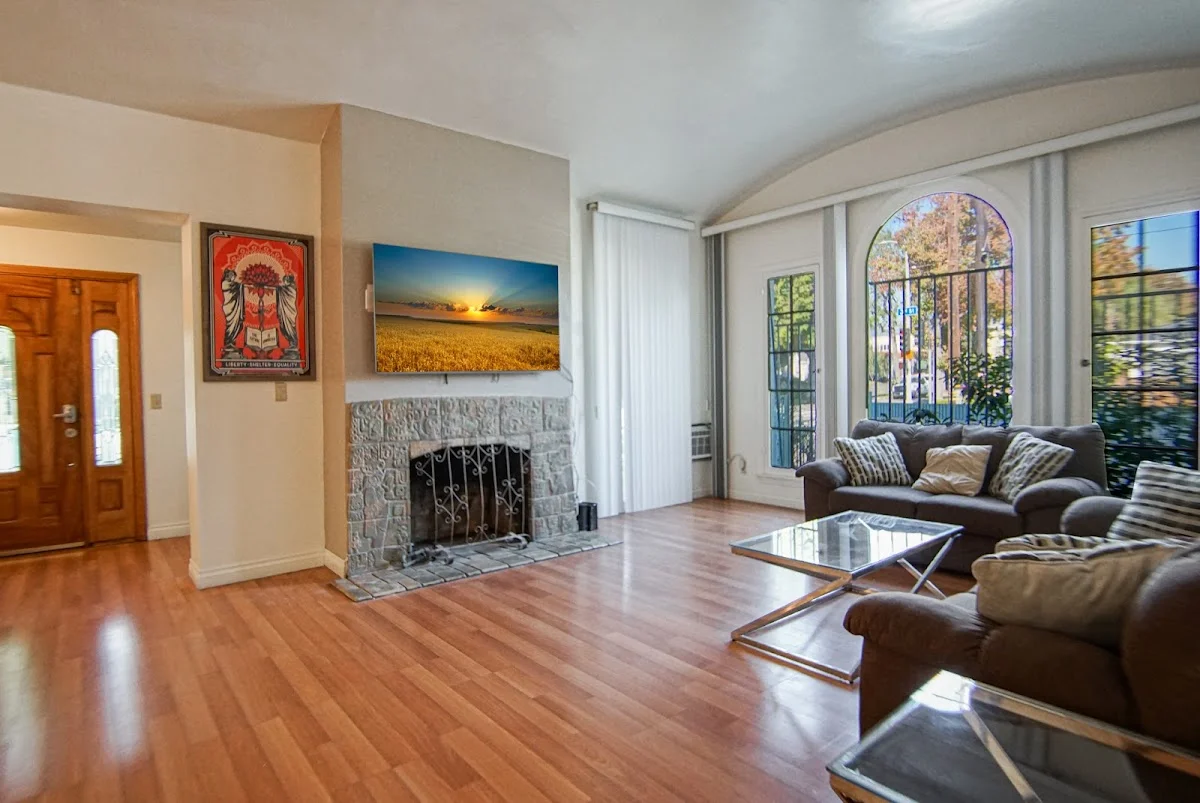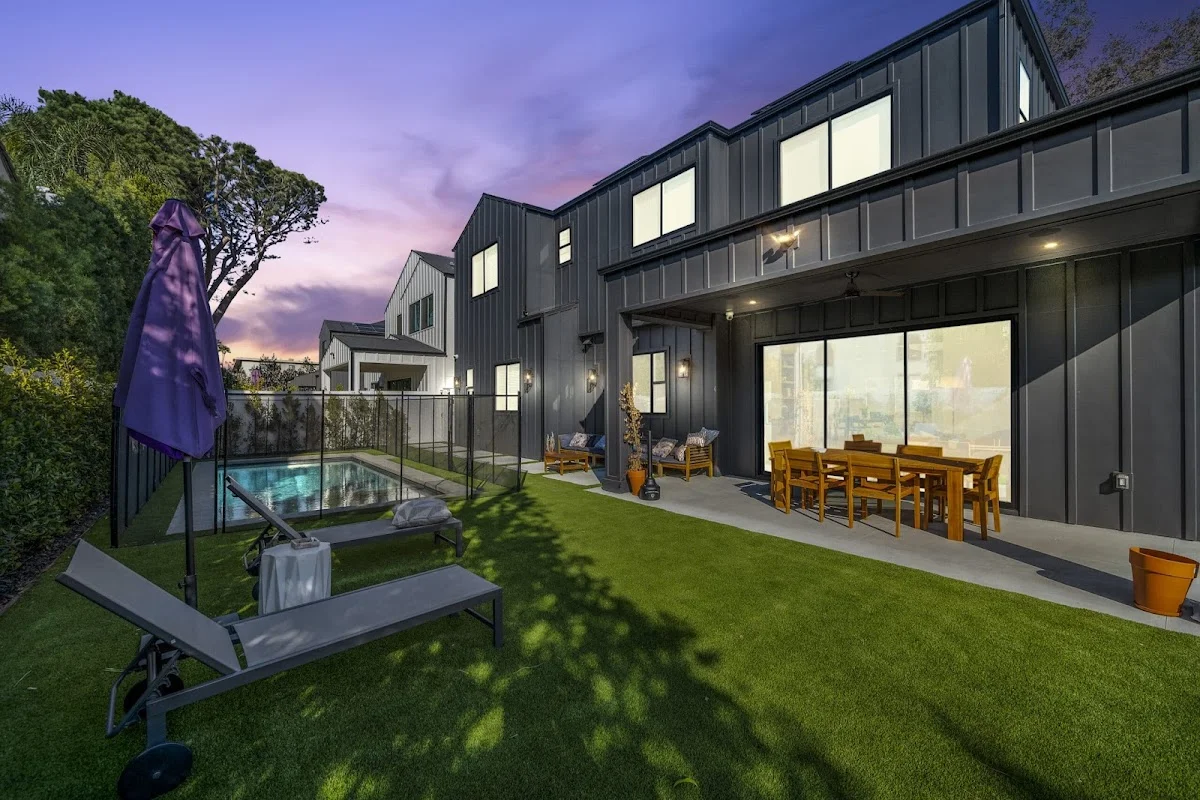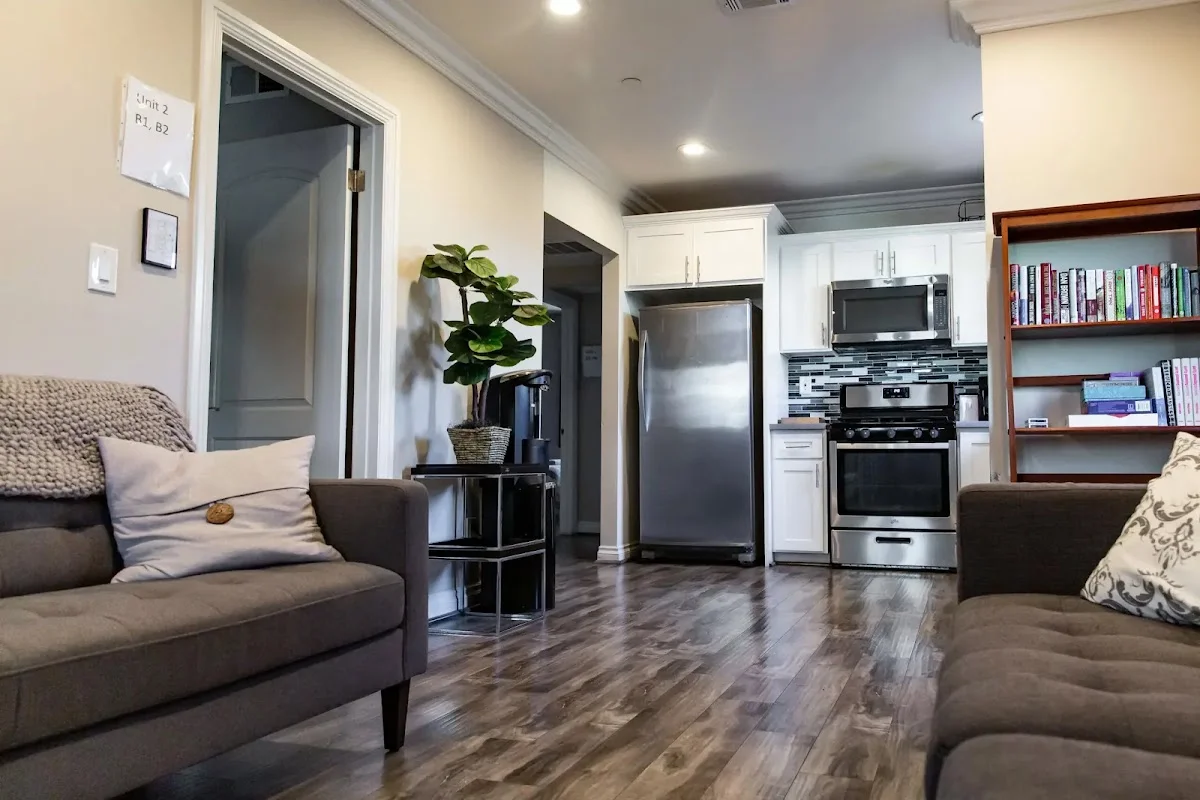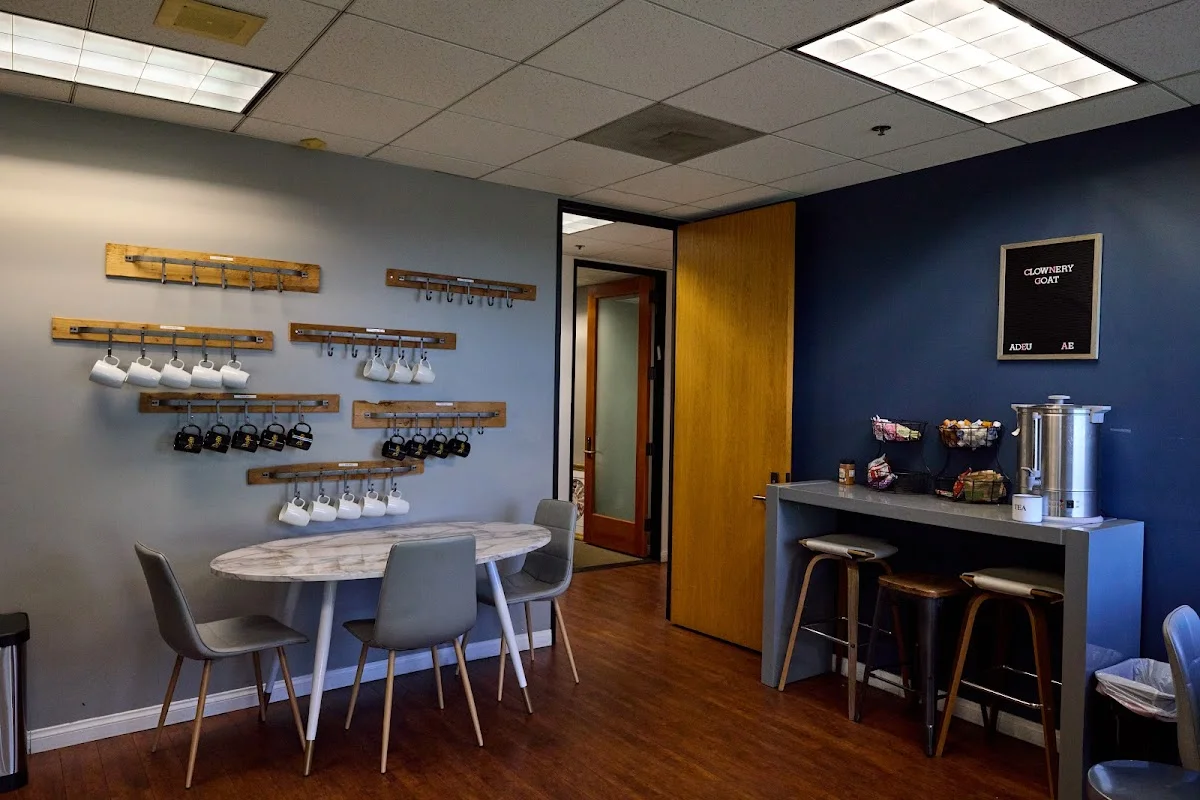
Choosing the right sober living home is a crucial step in the journey to recovery. In West Hollywood, CA, there are many options available, but not all sober living homes are created equal. Finding a quality environment that supports your recovery is essential. This guide will help you navigate the process of selecting a sober living home that meets your needs, ensuring you are well-equipped for a successful transition to a sober lifestyle.
What Makes a Quality Sober Living Home?
A quality sober living home provides a safe and supportive environment for individuals recovering from addiction. Here are some key characteristics to look for:
- Structured Environment: A good sober living home offers a structured daily routine that includes chores, group meetings, and recreational activities.
- Supportive Community: Residents should feel a sense of camaraderie and mutual support among peers.
- Qualified Staff: Look for homes with staff members who have experience in addiction recovery and can offer guidance and support.
- Clear Policies: A reputable home will have clear rules and expectations that promote a healthy living environment.
- Access to Resources: Quality homes often provide connections to counseling services, job placement, and ongoing recovery support.
Red Flags to Avoid
As you explore your options, be mindful of certain red flags that may indicate a less-than-ideal sober living home:
- Lack of Structure: Homes that do not enforce a daily schedule or have unclear rules may not provide the needed support.
- High Turnover Rates: Frequent changes in residents can signal instability within the home.
- Unqualified Staff: Be wary of homes without professional oversight or staff lacking experience in addiction recovery.
- Disregard for Rules: If residents openly break rules without consequences, it may indicate a lack of accountability and support.
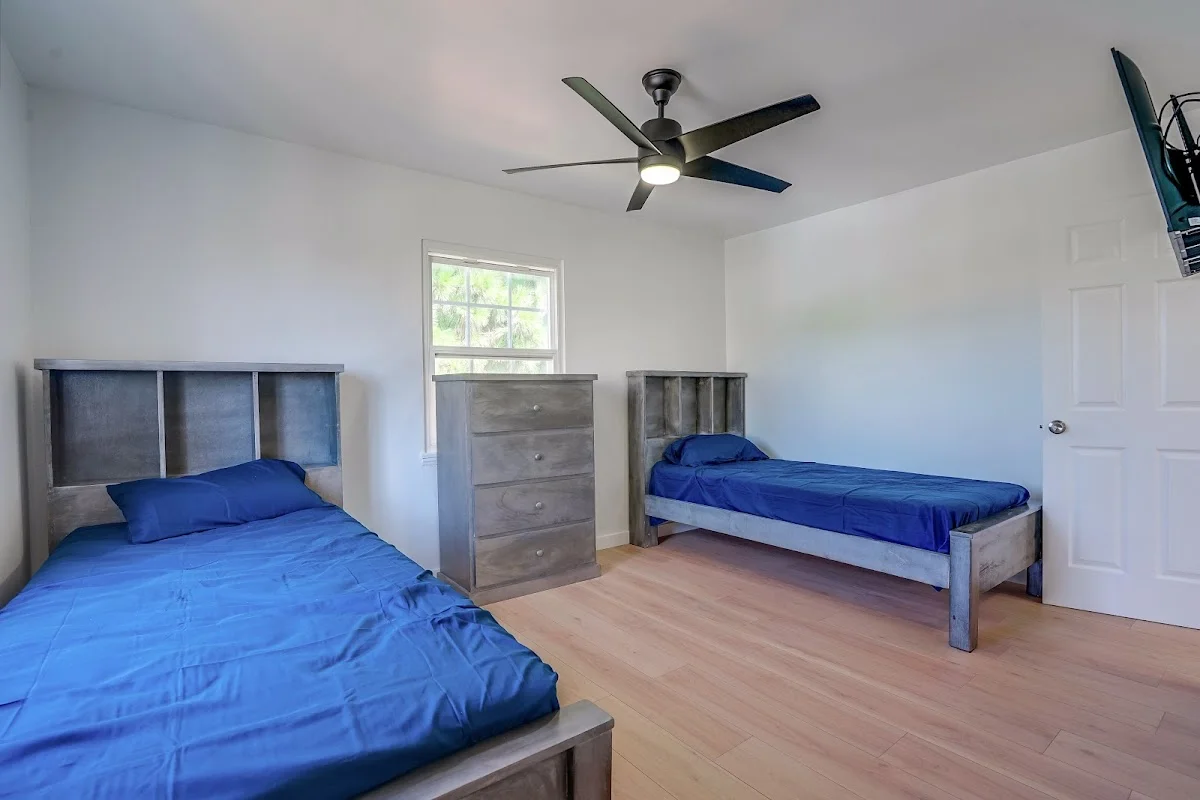
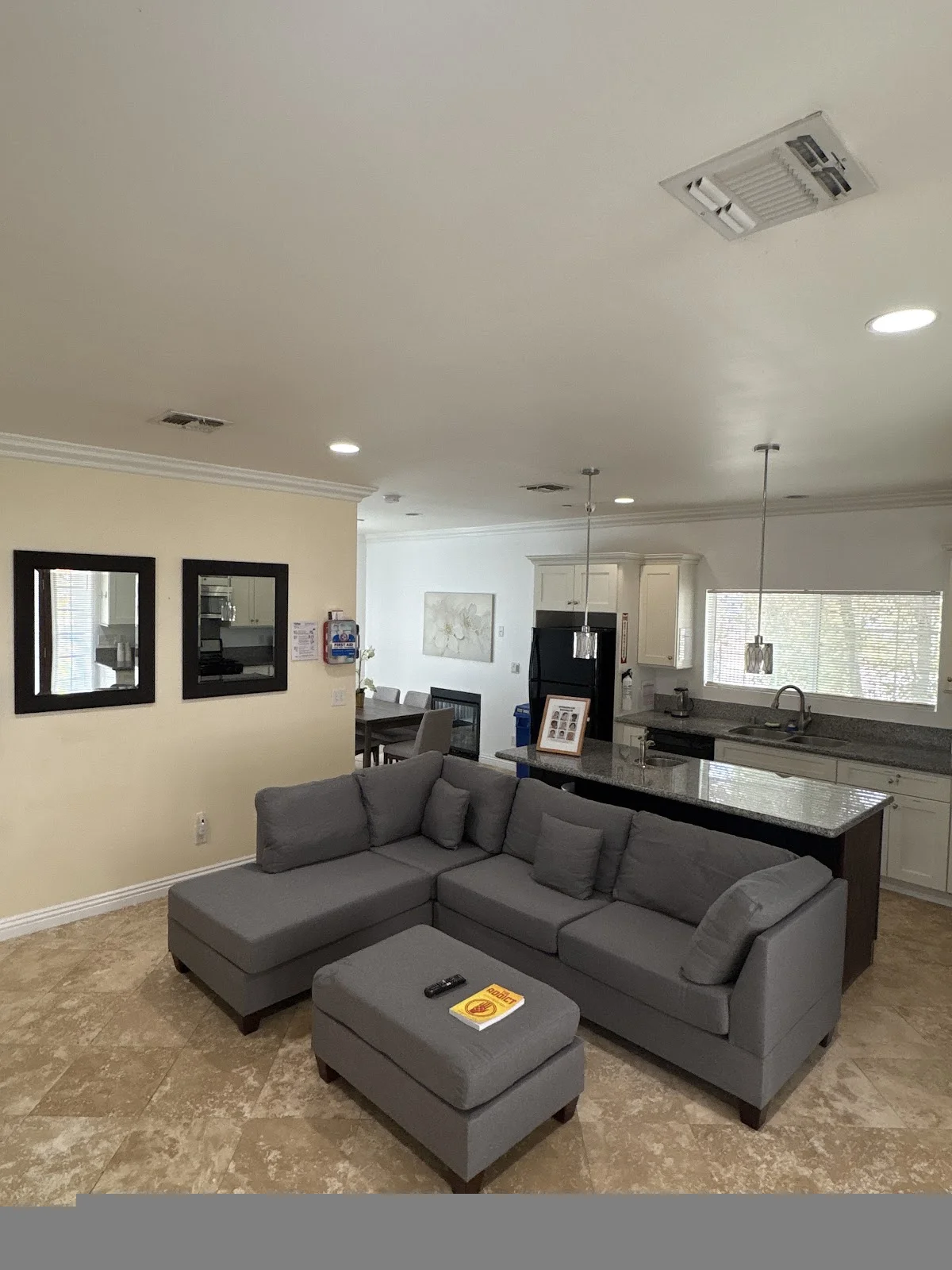
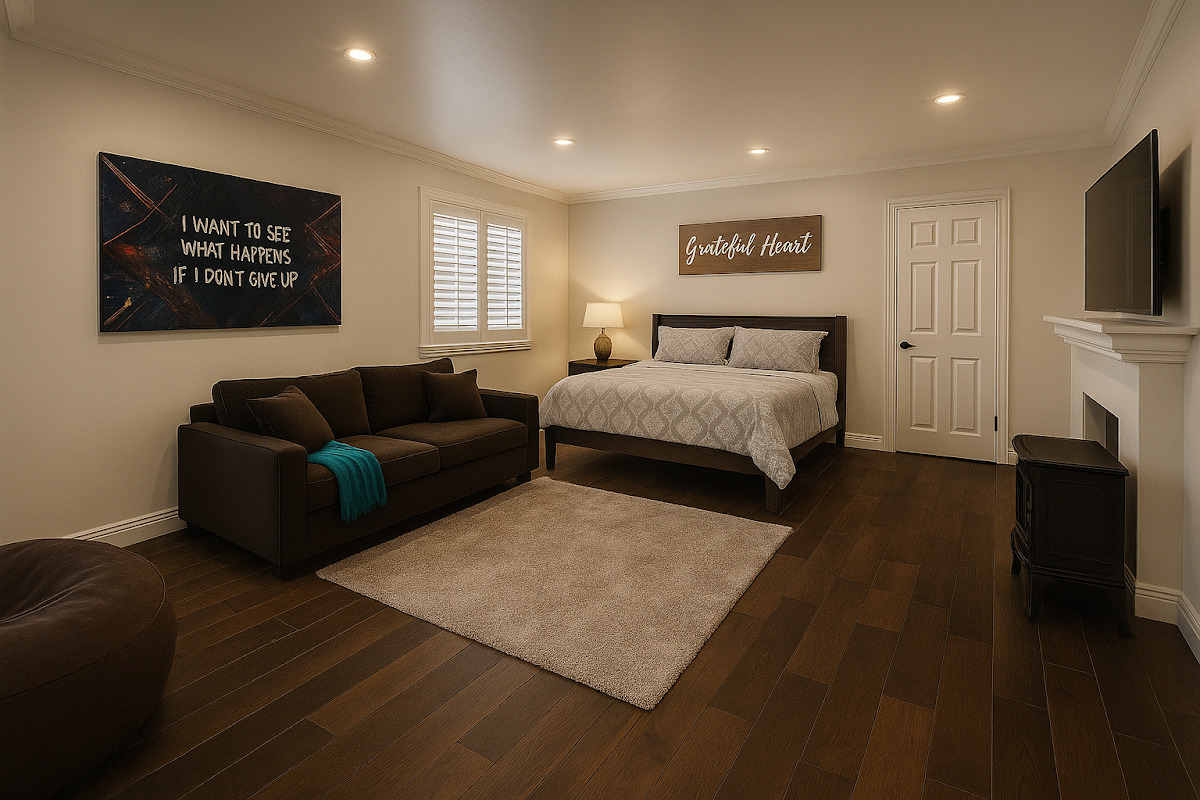
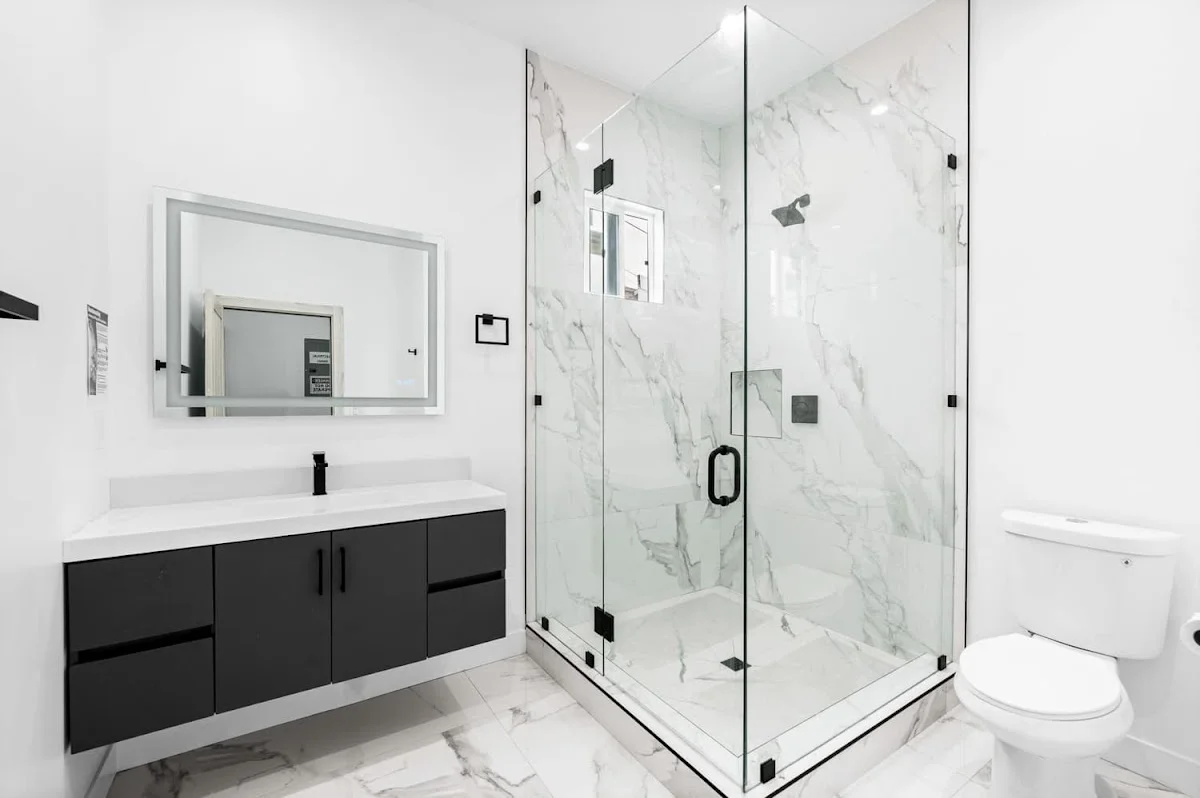
- Inadequate Living Conditions: Poor maintenance, cleanliness issues, or unsafe environments are serious concerns.
Questions to Ask During Tours
When visiting potential sober living homes, asking the right questions can provide valuable insight:
- What is the house policy on drug and alcohol use? Understanding the zero-tolerance policy is essential.
- What support services are available? Inquire about access to counseling, therapy, and job placement assistance.
- What are the house rules and expectations for residents? Clarifying the rules will help you gauge the home's structure.
- How are conflicts handled among residents? Knowing the conflict resolution process can help you feel more secure.
- What is the average length of stay for residents? This can indicate the home's effectiveness in supporting long-term recovery.
House Rules and Expectations
Every sober living home will have its own set of rules and expectations. Common rules may include:
- No drugs or alcohol on the premises.
- Mandatory attendance at house meetings and recovery support groups.
- Participation in household chores and responsibilities.
- Respect for fellow residents and staff.
- Regular drug testing to ensure compliance with house rules.
Understanding these rules upfront will help you determine if the environment aligns with your recovery goals.
Cost and Financial Assistance
The cost of sober living homes can vary significantly based on location, services offered, and housing conditions. Here are some options for financial assistance:
- Insurance: Check if your health insurance plan covers sober living expenses.
- State and Local Programs: Research community programs that may offer financial support for sober living.
- Sliding Scale Fees: Some homes may offer payment plans or sliding scale fees based on your income.
- Nonprofits: Look for nonprofit organizations that provide resources for individuals seeking recovery.
The Difference Between Level 1 and Level 2 Sober Homes
Sober living homes are often categorized into different levels based on the structure and support they provide:
- Level 1: Basic Support - These homes offer a more independent living situation with minimal supervision. Residents are generally expected to have completed a treatment program and be able to manage their sobriety with less oversight.
- Level 2: Enhanced Support - Level 2 homes provide more structure and support, often including regular drug testing, mandatory meetings, and greater staff involvement in residents' recovery journeys.
Choosing the right level of care is essential for your individual recovery needs.
How to Find Certified Sober Homes in West Hollywood
Finding certified sober living homes can ensure a higher standard of care. Here are some tips:
- Online Directories: Websites like The National Alliance for Recovery Residences (NARR) provide listings of certified sober living homes.
- Local Treatment Centers: Reach out to local addiction treatment centers for recommendations on reputable sober living homes.
- Support Groups: Connect with local support groups or recovery communities for personal recommendations and experiences.
Success Tips for Sober Living
Transitioning to sober living can be challenging, but these tips can enhance your experience:
- Stay Engaged: Participate actively in house meetings and support groups to build connections and accountability.
- Set Personal Goals: Establish clear recovery goals to work toward during your stay.
- Communicate Openly: Share your feelings and challenges with staff and peers to foster a supportive environment.
- Utilize Resources: Take advantage of counseling and other services offered by the home.
- Practice Self-Care: Engage in activities that promote your mental and physical well-being.
Choosing the right sober living home is a significant step toward recovery. By being informed and proactive, you can find a supportive environment that aligns with your goals and helps you thrive in your journey to sobriety.
Sober Network is a directory, not an intake form. Explore local facilities and contact providers directly.