Finding the right addiction treatment center can be a pivotal step in the journey to recovery. Understanding the different types of facilities, evaluating their quality, and knowing what to expect during the admission process can empower you or your loved one to make informed decisions. This guide provides an overview of addiction treatment centers available in the U.S. for 2026, including essential factors to consider and actionable steps to take.
Types of Treatment Centers
When seeking help for addiction, it's crucial to know the various types of treatment centers. Each offers different levels of care based on individual needs:
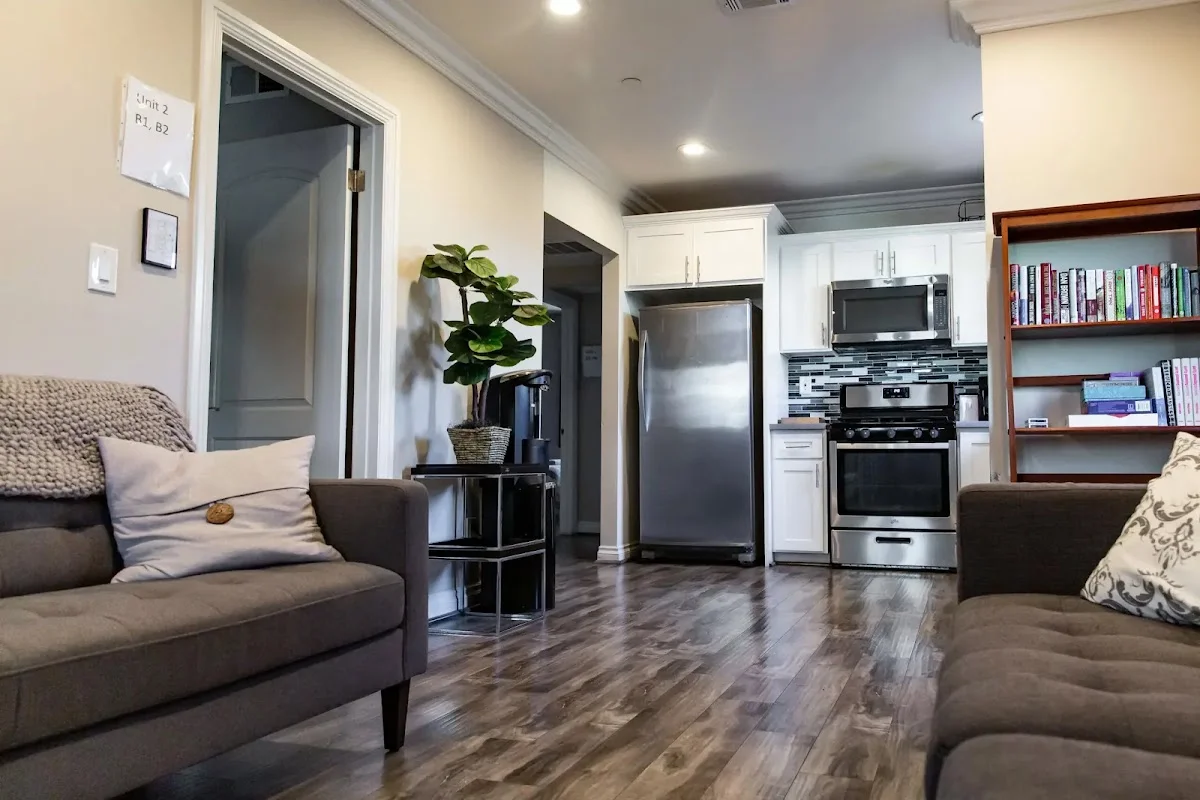
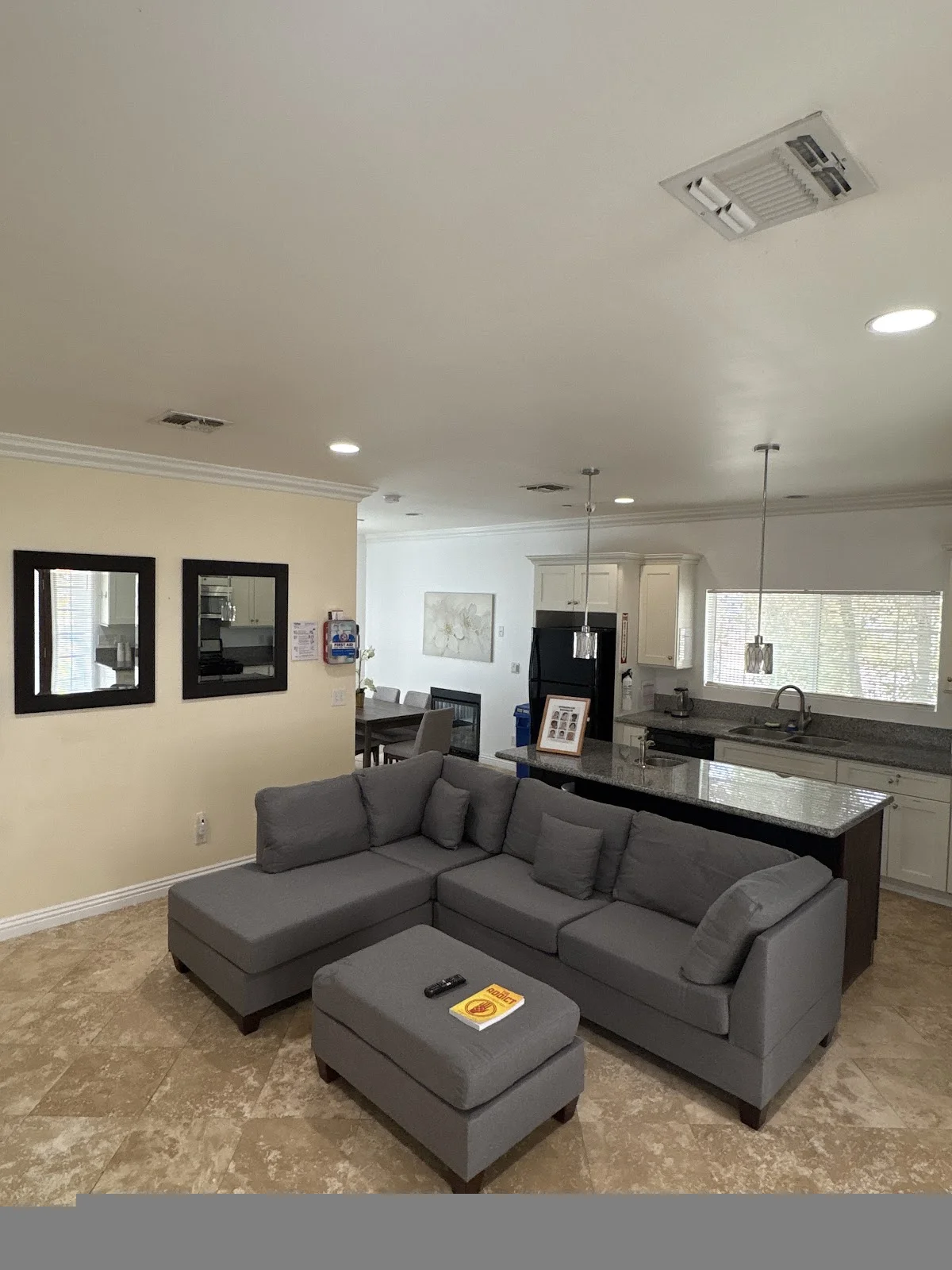
- Residential Treatment Centers: These facilities provide 24/7 care in a structured environment. Clients live on-site and participate in a comprehensive treatment program that includes therapy, counseling, and support groups.
- Partial Hospitalization Programs (PHP): PHPs offer a high level of care while allowing clients to return home in the evenings. This option is ideal for those who need intensive treatment but have a stable home environment.
- Intensive Outpatient Programs (IOP): IOPs provide a flexible schedule for those who cannot commit to residential treatment. Clients attend therapy sessions several times a week while maintaining their daily responsibilities.
How to Evaluate Quality of Care
Choosing a treatment center requires careful evaluation to ensure you receive the best care possible. Here are some factors to consider:
- Staff Credentials: Look for centers with licensed professionals, including doctors, nurses, and therapists experienced in addiction treatment.
- Success Rates: Inquire about the center's success rates and how they measure recovery outcomes. A reputable facility will be transparent about their statistics.
- Personalized Treatment Plans: Quality care should include individualized treatment tailored to your specific needs, including dual diagnosis for co-occurring mental health disorders.
Accreditation
Accreditation is a crucial indicator of a treatment center's quality. Two prominent accrediting bodies include:
- Commission on Accreditation of Rehabilitation Facilities (CARF): CARF accreditation signifies that a facility meets high standards in service delivery and patient care.
- The Joint Commission: This organization evaluates and accredits healthcare programs, ensuring they comply with rigorous performance standards.
What to Expect During Admission
The admission process can feel overwhelming, but understanding what to expect can ease anxiety:
- Initial Assessment: A thorough evaluation will take place, including medical history, addiction severity, and psychological assessment.
- Detoxification: If necessary, you may undergo detox under medical supervision to manage withdrawal symptoms safely.
- Orientation: You will receive information about the treatment program, rules, and daily schedules, helping you acclimate to the new environment.
Average Cost and Length of Stay
The costs of addiction treatment can vary widely, depending on the type of facility and services provided. Here’s a general overview:
- Residential Treatment: Costs can range from $14,000 to $30,000 for a 30-day program.
- Partial Hospitalization Program (PHP): PHPs typically range from $500 to $1,000 per day.
- Intensive Outpatient Program (IOP): IOPs may cost between $250 and $450 per week.
The length of stay also varies based on individual needs:
- Residential Treatment: Usually lasts between 30 to 90 days.
- PHP: Programs might last 2 to 6 weeks.
- IOP: Typically ranges from 8 to 12 weeks.
Insurance-Accepted Facilities
Many treatment centers accept insurance, which can significantly reduce out-of-pocket expenses. It's essential to contact the facility to confirm:
- Whether they accept your insurance provider.
- If they offer a sliding scale fee based on income.
- Any payment plans available for uninsured individuals.
State-Funded Options
If cost is a concern, state-funded addiction treatment programs may be available. These facilities often provide services at little to no cost for eligible individuals. Check with your state’s health department for resources and application processes.
Aftercare Planning
Aftercare is an essential component of successful recovery. Quality treatment centers will develop a comprehensive aftercare plan that may include:
- Continued therapy or counseling.
- Support group participation (e.g., Alcoholics Anonymous, Narcotics Anonymous).
- Regular check-ins with a case manager or therapist.
How to Get Started
Taking the first step towards recovery is often the hardest. Here are actionable steps to get started:
- Reach Out: Contact a trusted friend, family member, or a healthcare professional to discuss your concerns about addiction.
- Research Treatment Options: Use the information provided to explore different treatment centers and their offerings.
- Call for Information: Reach out to selected facilities to ask questions and discuss admission procedures.
- Prepare for Admission: Gather necessary documents, such as insurance information and identification, to ease the admission process.
Remember, seeking help is a courageous step towards healing. You are not alone on this journey. Take action today to reclaim your life.
Sober Network is a directory, not an intake form. Explore local facilities and contact providers directly.